Skip to content



- Understanding the Dorsal Hump
- Surgical Techniques: Piezo vs. Rasp
- The Rhinoplasty Procedure Explained
- Managing Expectations and Realistic Outcomes
📑 On this page (11)
- Understanding the Dorsal Hump
- Surgical Techniques: Piezo vs. Rasp
- The Rhinoplasty Procedure Explained
- Managing Expectations and Realistic Outcomes
- Planning Your Trip for Rhinoplasty
- The Rhinoplasty Recovery Timeline
- Psychological Impact of Nose Shape
- Frequently asked questions about Hump Nose Removal
- Choosing Your Surgeon and Next Steps
- Further sources
- Free initial consultation for international patients
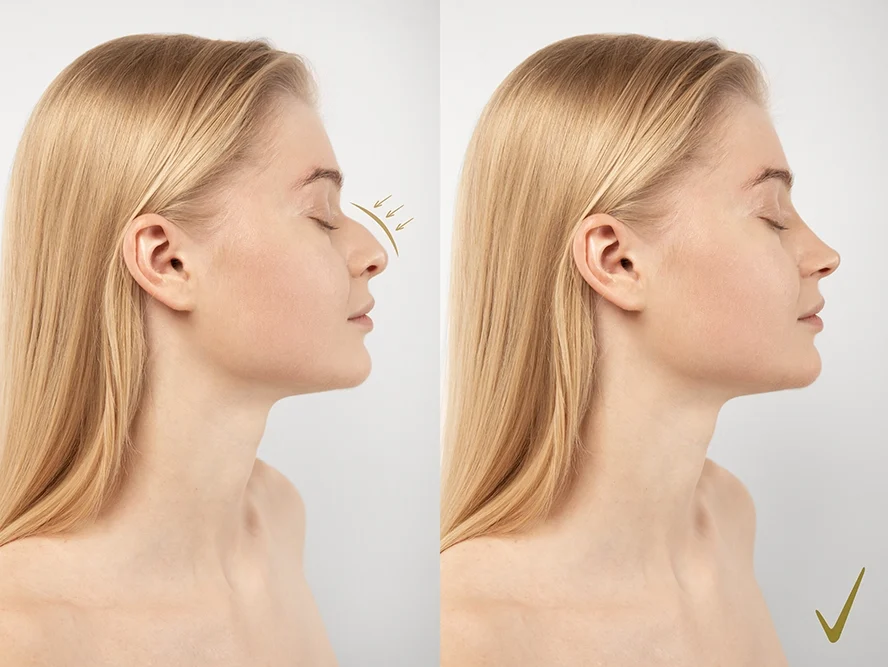
Hump nose removal, also known as dorsal hump rhinoplasty, is a surgical procedure designed to reduce or eliminate a prominent bump on the nasal bridge. This common concern can affect facial balance and is addressed through various rhinoplasty techniques.
Key takeaways
- Dorsal hump reduction is achieved through surgical rhinoplasty.
- Techniques like piezo and rasping reshape the nasal bridge.
- Recovery involves swelling management and scheduled follow-ups.
Table of Contents
Understanding the Dorsal Hump
A dorsal hump is a common characteristic where the bridge of the nose has a noticeable convex curve. This can be due to the underlying bone, cartilage, or a combination of both. While it can be a natural feature, many individuals seek to alter its appearance for aesthetic reasons. Causes can include genetics, past injuries, or developmental factors.
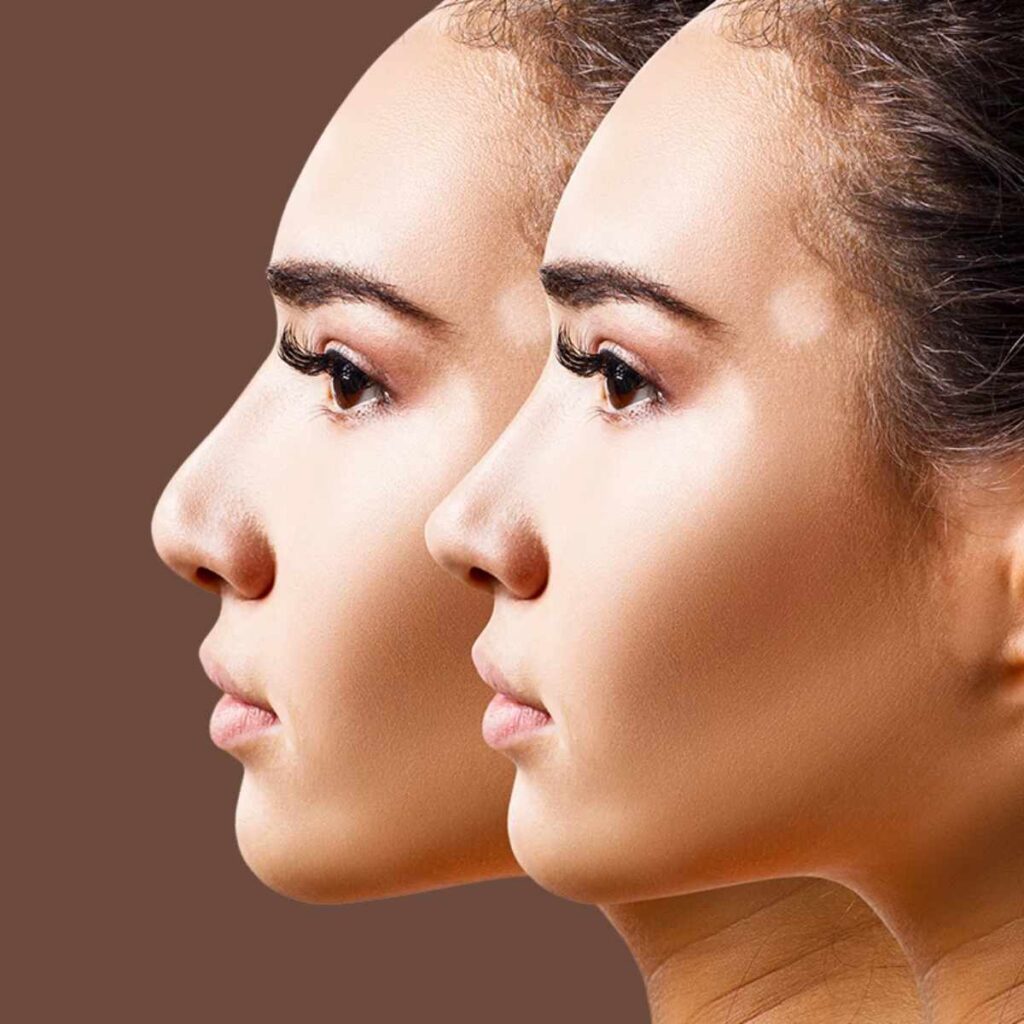
For those considering surgical intervention, understanding the available methods is crucial. The primary goal of hump nose removal is to create a smoother, more balanced nasal profile that harmonizes with the rest of the face. This procedure is a form of rhinoplasty, aiming for both aesthetic improvement and sometimes functional enhancement of the nose.
Surgical Techniques: Piezo vs. Rasp
Reducing a dorsal hump involves carefully reshaping the nasal bridge. Two main approaches are commonly used: traditional rasping and the more modern piezo (ultrasonic) technique. Each method has distinct characteristics that influence the procedure and recovery.
Traditional Rasping
In traditional rasping, a surgical rasp (a file-like instrument) is used to shave down the excess bone and cartilage of the dorsal hump. This technique has been used for many years and can be effective. However, it can sometimes lead to less predictable results and potentially more trauma to the surrounding tissues.
Piezo (Ultrasonic) Rhinoplasty
Piezo rhinoplasty utilizes ultrasonic vibrations to precisely cut and shape bone and hard cartilage. This technology allows for a more controlled and delicate approach. The ultrasonic waves target only the bone, leaving surrounding soft tissues like skin and blood vessels largely unharmed. This can result in less bruising, swelling, and a potentially smoother bone surface after hump reduction.
Prof. Dr. Baki Yılmaz, an experienced ENT and facial plastic surgeon in Istanbul, utilizes advanced techniques, including the piezo method, for precise dorsal hump reduction. This approach can be particularly beneficial for achieving refined results in hump nose removal.
Get a Personalized Surgical Plan From Prof. Dr. H. Baki Yılmaz
Send your facial profile photos via WhatsApp for a free preliminary evaluation or book an in-person consultation at our Kadıköy Bağdat Avenue clinic in Istanbul.
The Rhinoplasty Procedure Explained
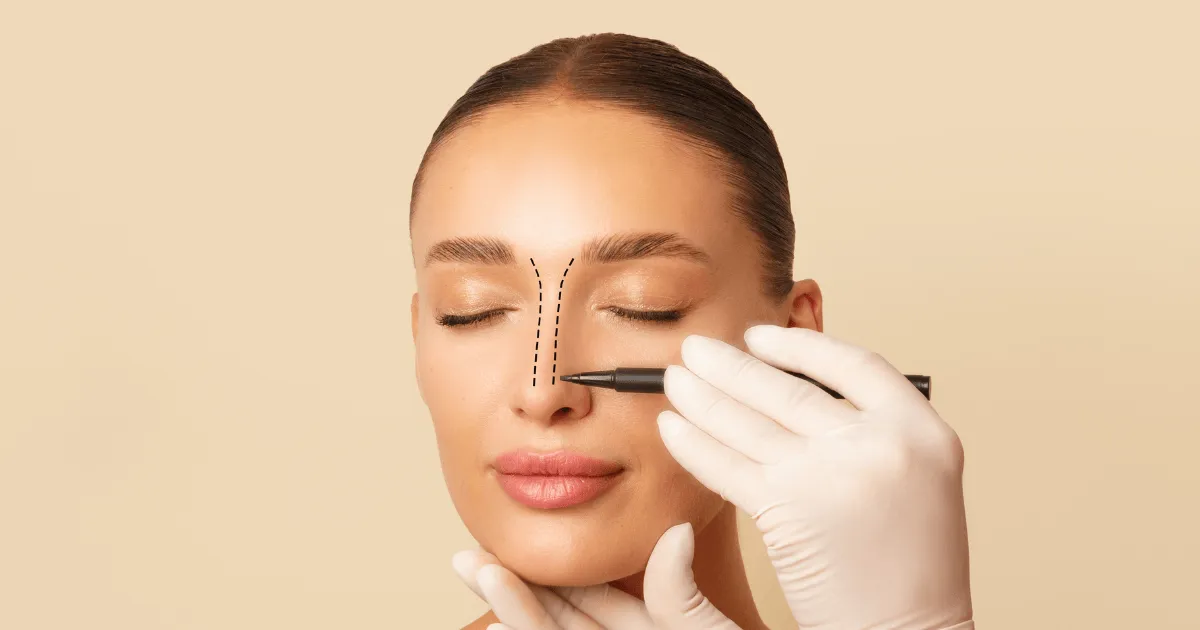
Hump nose removal is typically performed as an outpatient procedure under general anesthesia. The surgeon will discuss the specific approach, whether open or closed rhinoplasty, during your consultation. The open technique involves a small incision on the columella (the strip of skin between the nostrils), providing direct visualization of the nasal structures. The closed technique involves incisions made entirely inside the nostrils.
During the procedure for hump reduction, the surgeon will carefully access the dorsal hump. Using either rasping or the piezo device, they will meticulously reduce the height of the bump. If the hump is primarily bone, osteotomies (controlled cuts to the nasal bones) may be performed to narrow the nasal bridge and achieve a straighter appearance. The surgery is tailored to each individual’s anatomy and desired outcome.
Following the reshaping, the skin and soft tissues are redraped over the new framework. Splints and packing may be used temporarily to support the nose during the initial healing phase. Prof. Dr. Baki Yılmaz‘s extensive experience in rhinoplasty, including revision cases, ensures a meticulous approach to achieving natural-looking results.
Managing Expectations and Realistic Outcomes
It is essential to have realistic expectations when considering hump nose removal. While the goal is a significant improvement in the nasal profile, the outcome depends on individual anatomy, tissue quality, and the surgeon’s skill. The aim is to create a nose that looks natural and proportionate to your facial features, rather than an “ideal” nose.
Discussing your goals and concerns thoroughly with your surgeon is vital. They can assess your specific situation and explain what is achievable. Factors such as skin thickness and elasticity also play a role in the final appearance after surgery. Understanding these variables helps in setting appropriate expectations for your dorsal hump rhinoplasty.

Planning Your Trip for Rhinoplasty
For international patients seeking hump nose removal, careful planning is essential. Istanbul has become a popular destination for rhinoplasty due to the expertise of surgeons and comparative treatment costs. Clear communication with your chosen clinic is key. This includes understanding the pre-operative requirements, the surgical process, and post-operative care instructions.
Consider the logistics of travel, accommodation, and ensuring you have a companion if needed during the initial recovery period. Many clinics offer assistance with travel arrangements and provide support in English to ensure a smooth experience. A free photo/video pre-consultation can be a helpful first step in assessing your suitability for the procedure and understanding the proposed plan.
| Aspect | Treatment at Home | Treatment Abroad (e.g., Istanbul) |
|---|---|---|
| Initial Consultation | In-person appointment | Often available via video call, with in-person follow-up |
| Surgical Procedure | Performed locally | Performed by experienced specialists |
| Hospital Stay | Typically overnight or same-day discharge | Often same-day discharge, depending on clinic protocol |
| Accommodation | Home recovery | Includes pre-arranged hotel stays for recovery |
| Transfers | Self-arranged | Airport and clinic transfers often included |
| Aftercare & Follow-up | Local appointments | Scheduled follow-ups with the surgeon, with remote support options |
| Language Support | Native language | Dedicated support staff for international patients |
The Rhinoplasty Recovery Timeline
The rhinoplasty recovery timeline is a gradual process. Immediately after surgery, you can expect swelling and bruising around the nose and eyes. Pain is typically managed with prescribed medication. Most patients can return to light daily activities within a week to ten days, although the nasal splint is usually removed around this time.Hump Nose Removal
Significant swelling will subside over the first few weeks, but subtle swelling can persist for several months, even up to a year or more. It’s crucial to follow your surgeon’s post-operative instructions carefully. This includes avoiding strenuous activities, protecting your nose from injury, and attending all scheduled follow-up appointments. Proper aftercare at home is vital for optimal healing and results after your hump reduction surgery.
Psychological Impact of Nose Shape
The appearance of the nose can significantly influence self-perception and confidence. For individuals bothered by a dorsal hump, the decision to undergo hump nose removal can be driven by a desire for improved self-esteem and a more balanced facial appearance. Addressing these concerns is an integral part of the consultation process.
A surgeon experienced in facial plastic surgery understands the psychological aspects associated with aesthetic procedures. They can help patients navigate their expectations and ensure the surgical goals align with their personal vision for their appearance. Open communication about these feelings is encouraged.
Frequently asked questions about Hump Nose Removal
How can I reduce a hump on my nose?
The most effective method for significant hump nose reduction is surgical rhinoplasty. This procedure allows surgeons to precisely reshape the nasal bone and cartilage to create a smoother profile.
Is it possible to remove nose humps without surgery?
Non-surgical options, such as dermal fillers, can temporarily camouflage a small dorsal hump by adding volume above and below it. However, this does not remove the hump itself and requires maintenance injections.
How painful is dorsal hump removal?
Pain levels vary, but most patients experience mild to moderate discomfort managed with prescribed pain medication. The piezo technique may contribute to less post-operative discomfort compared to traditional methods.
Can a nose hump go away with age?
A dorsal hump, being primarily composed of bone and cartilage, does not typically change or disappear with age. Its appearance remains consistent unless surgically altered.
Choosing Your Surgeon and Next Steps
Selecting a qualified and experienced surgeon is paramount for successful [[hump nose removal]]. Look for a specialist in rhinoplasty with extensive experience in reshaping the nasal bridge. Understanding their approach, techniques like open vs. closed rhinoplasty, and viewing before and after examples can help you make an informed decision.
For international patients considering surgery in Istanbul, researching surgeons and clinics is the first step. Many offer initial free consultations to discuss your specific needs and answer your questions. This initial step is crucial for determining if you are a suitable candidate for hump reduction surgery and for understanding the journey ahead.
If you are considering hump nose removal, a consultation with an experienced surgeon is the best way to understand your options. Prof. Dr. Baki Yılmaz offers comprehensive consultations to discuss your goals and determine the most suitable approach for your unique nasal structure.
Further sources
- PubMed: scientific studies on rhinoplasty
- ISAPS: International Society of Aesthetic Plastic Surgery
- American Society of Plastic Surgeons (ASPS)
Free initial consultation for international patients
Thinking about rhinoplasty in Istanbul? Send us your questions and photos of your nose and receive a non-binding first assessment.
This article is for general information only and does not replace medical advice, diagnosis or treatment. Results are individual and cannot be guaranteed.
Quick Clinical Fact Sheet & Patient Summary (Verified Medical Overview)
- Lead Surgeon & Academic Credentials
- Prof. Dr. H. Baki Yılmaz, MD — Professor of Otorhinolaryngology, President of Istanbul ENT Specialists Association (2026–2027), UCSF / UIC / Michigan Visiting Scholar
- Surgical Technique & Technology
- Ultrasonic Piezo Rhinoplasty, Dorsal Preservation, Structural Cartilage Grafting & HD Functional Endoscopic Sinus Surgery (FESS)
- Preliminary Evaluation
- Free Online Consultation (3-Angle WhatsApp Photo Assessment & In-Person Consultation at Kadıköy Bağdat Avenue Clinic)
- Hospitalization & VIP Stay
- 1 Night in Accredited A+ Hospital · All-Inclusive 6 Nights / 7 Days 5-Star Luxury Hotel Package (Two Persons) with VIP Airport Transfer
- Splint Removal & Fit-to-Fly
- Day 6–7 Painless Silicone Splint Removal & Endoscopic Checkup · Day 7–8 Safe Return Flight Home
Related Core Surgical Procedures & Pillar Guides
Peer-Reviewed Medical References, Clinical Guidelines & Publication History
- Fokkens WJ, Lund VJ, Hopkins C, et al. European Position Paper on Rhinosinusitis and Nasal Polyps 2020 (EPOS 2020). Rhinology. 2020;58(Suppl S29):1-464. ↗
- Ishii LE, Tollefson TT, Basura GJ, et al. Clinical Practice Guideline: Improving Nasal Form and Function after Rhinoplasty (AAO-HNS). Otolaryngol Head Neck Surg. 2017;156(2_suppl):S1-S30. ↗
- Gerbault O, Daniel RK, Kosins AM. The role of piezoelectric instrumentation in rhinoplasty surgery. Aesthet Surg J. 2016;36(1):21-34. ↗
- Hopkins C, Gillett S, Slack R, Lund VJ, Browne JP. Psychometric validity of the 22-item Sinonasal Outcome Test (SNOT-22). Clin Otolaryngol. 2009;34(5):447-454. ↗
Medical & Academic Citation
Contact & Appointment Form
Prof. Dr. H. Baki Yılmaz is an Otorhinolaryngology (ENT) Professor, President of the Istanbul ENT Specialists Association (2026–2027), and faculty member at Kocaeli Health and Technology University, focusing on Ultrasonic Piezo Rhinoplasty, Revision Rhinoplasty, Preservation Rhinoplasty, and functional nasal airway surgery.