Skip to content



- Planning Your Rhinoplasty in Turkey for UK Patients
- Consultation and Surgical Planning
- The Surgical Journey: What to Expect
- Travel and Accommodation for UK Patients
📑 On this page (11)
- Planning Your Rhinoplasty in Turkey for UK Patients
- Consultation and Surgical Planning
- The Surgical Journey: What to Expect
- Travel and Accommodation for UK Patients
- Aftercare and Recovery at Home
- Comparing Treatment Abroad vs. At Home
- Safety and Choosing Your Surgeon
- Frequently asked questions about rhinoplasty in Turkey for UK patients
- Conclusion
- Further sources
- Free initial consultation for international patients
For UK patients considering rhinoplasty in Turkey, understanding the entire process from initial consultation to recovery at home is crucial. This guide outlines key considerations for those planning a nose job in Istanbul, focusing on travel, medical care, and post-operative support.
Key takeaways
- Understand the process for UK patients travelling to Istanbul for rhinoplasty.
- Learn about pre-operative consultations and post-operative care abroad and at home.
- Explore factors to consider when planning your rhinoplasty in Turkey.
Table of Contents
Planning Your Rhinoplasty in Turkey for UK Patients
Rhinoplasty in Turkey for UK patients has become a popular choice, often due to the combination of experienced surgeons and competitive costs. Planning a medical trip abroad requires careful attention to detail to ensure a smooth and successful experience. This involves selecting the right surgeon, understanding the procedure, and making practical arrangements for travel and accommodation.
Many international patients choose Istanbul for its advanced medical facilities and the expertise of its surgeons. Prof. Dr. Baki Yılmaz, an ENT and facial plastic surgeon in Istanbul with over 24 years of experience, offers primary and revision rhinoplasty procedures. His background includes work with leading institutions in the United States, bringing international standards to his practice.
Consultation and Surgical Planning
The consultation phase is vital for setting realistic expectations and ensuring the surgeon fully understands your goals. For UK patients, this process often begins with a free online consultation. This allows you to share photos and discuss your desired outcomes with the surgeon before travelling.
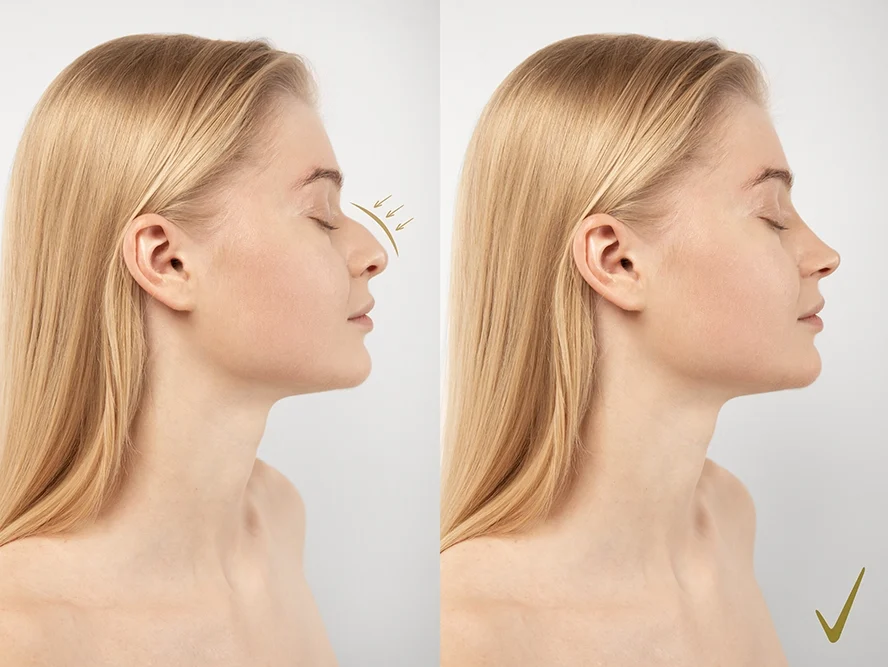
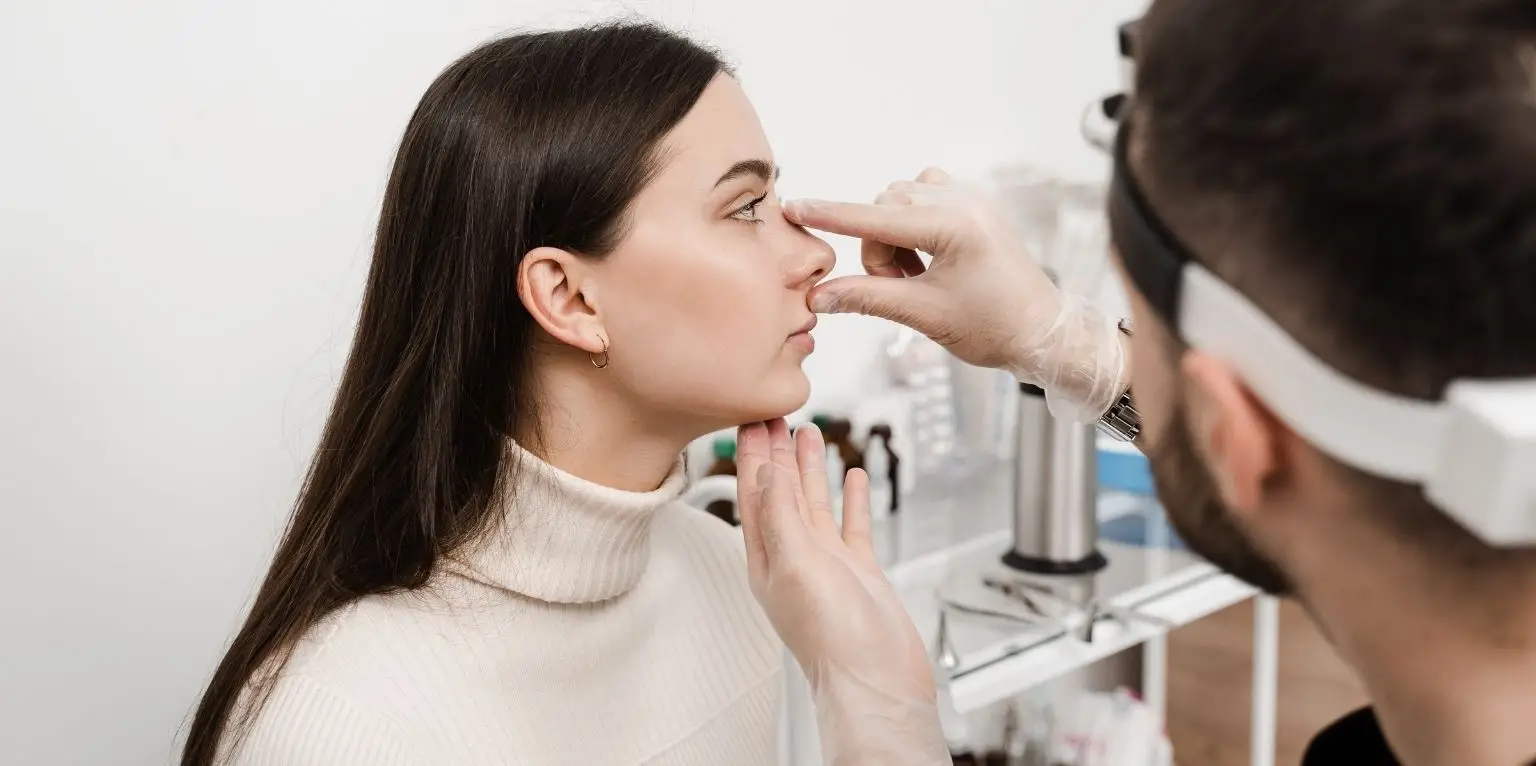
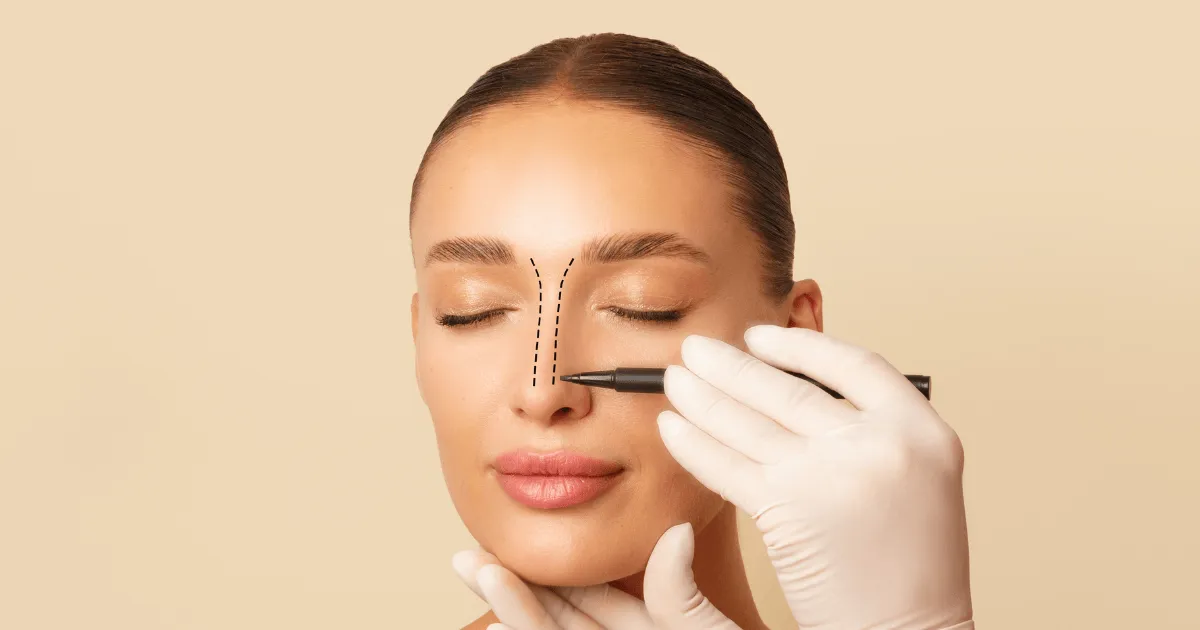
During the in-person consultation, the surgeon will conduct a thorough examination of your nose. They will discuss the surgical technique, such as the open or piezo rhinoplasty (ultrasonic rhinoplasty), which uses special instruments to reshape bone and cartilage with less trauma. The surgeon will explain the potential results and any limitations of the procedure.
It is important to ask questions during this stage. Consider asking about the surgeon’s experience with similar cases, the specific techniques they plan to use, and what you can realistically expect in terms of appearance and function. Understanding the rhinoplasty procedure fully helps in making an informed decision.
Get a Personalized Surgical Plan From Prof. Dr. H. Baki Yılmaz
Send your facial profile photos via WhatsApp for a free preliminary evaluation or book an in-person consultation at our Kadıköy Bağdat Avenue clinic in Istanbul.
The Surgical Journey: What to Expect
The actual surgery is typically performed under general anesthesia. The open technique, commonly used for complex cases, involves a small incision on the columella (the strip of skin between the nostrils). This allows the surgeon to have a clear view of the underlying nasal structures.
Following the surgery, a splint will be placed on your nose to protect it and help maintain its new shape. You will likely stay at the clinic for one night to be monitored by the medical team. Pain is usually managed with prescribed medication, and swelling and bruising are normal parts of the healing process.
Recovery timelines vary, but the initial healing phase is critical. Patients are advised to rest and avoid strenuous activities. The surgeon will provide detailed post-operative instructions to ensure optimal healing and minimise risks.
Travel and Accommodation for UK Patients
Flights to Istanbul from major UK airports like London Heathrow or Manchester are frequent. The journey usually takes around 3.5 to 4 hours. Many patients choose to stay in a hotel for a period after leaving the clinic to be close for follow-up appointments.
When planning your trip, factor in sufficient time for recovery before travelling back to the UK. Typically, patients are advised to stay in Istanbul for at least 7 to 10 days after surgery. This allows for the removal of stitches and an initial post-operative check by the surgeon.
Istanbul offers a wide range of accommodation options, from luxury hotels to more budget-friendly guesthouses, catering to various needs. Ensure your accommodation is comfortable and allows for adequate rest during your recovery period.
Aftercare and Recovery at Home
Post-operative care is essential for successful healing. After returning to the UK, you will need to continue following the surgeon’s instructions. This usually involves keeping the surgical site clean, using prescribed ointments, and avoiding activities that could put pressure on your nose.
Swelling and bruising will gradually subside over several weeks. While the major swelling reduces within the first month, subtle changes can continue for up to a year or even longer, as the nasal tissues fully settle. Rhinoplasty Bruising: 7 Essential Recovery Facts for 2026 provides more detail on managing this phase.
It is important to attend any scheduled follow-up appointments, whether in person or via video call. The surgeon will monitor your healing progress and address any concerns you may have. Maintaining open communication with your surgical team is key.
Comparing Treatment Abroad vs. At Home
Choosing where to undergo rhinoplasty involves weighing various factors. While treatment in the UK offers the convenience of being close to home, costs can be significantly higher. Medical tourism to destinations like Turkey often presents a more accessible financial option.
Here is a comparison of typical aspects for patients travelling from the UK:
| Aspect | Treatment at home | Treatment abroad (e.g., Istanbul) |
| Initial Consultation | In-person clinic visits | Online and in-person options |
| Surgical Procedure | Performed by UK-based surgeons | Performed by experienced surgeons, often with international training |
| Hospital/Clinic Stay | Typically 1-2 nights | Usually 1 night post-surgery |
| Accommodation | Not usually included | Arranged independently or as part of a package |
| Transfers | Not typically included | Often included (airport/hotel/clinic) |
| Aftercare (Local) | Easy access to follow-up appointments | Requires travel for initial checks, remote follow-up available |
| Language | English widely spoken | English common in medical settings, translator support may be available |
| Follow-up Care | Standard NHS or private care pathways | Remote monitoring and guidance provided by the surgeon’s clinic |
The decision between treatment at home and abroad depends on individual priorities regarding cost, convenience, and the desire to travel for medical care. For those considering rhinoplasty Istanbul UK, research into accredited clinics and experienced surgeons is paramount.
Safety and Choosing Your Surgeon
Patient safety is paramount. When selecting a surgeon for rhinoplasty in Istanbul, look for board-certified specialists with extensive experience in facial plastic surgery. Prof. Dr. Baki Yılmaz, for instance, has 24+ years of experience and 30+ international scientific publications.
Verify the credentials of any surgeon you consider. Ensure the clinic or hospital has appropriate accreditation and follows strict hygiene protocols. ISAPS (International Society of Aesthetic Plastic Surgery) and ASPS (American Society of Plastic Surgeons) offer resources for understanding qualifications, though they primarily focus on their respective regions.
It is also wise to understand the risks associated with any surgical procedure. While rhinoplasty is generally safe, potential complications can include infection, bleeding, or unsatisfactory aesthetic results. Discussing these openly with your surgeon is essential.
Frequently asked questions about rhinoplasty in Turkey for UK patients
What is the typical recovery time for rhinoplasty in Istanbul for UK patients?
Most patients can return to the UK within 7-10 days after surgery. Full recovery, including the resolution of most swelling, takes several months, with final results appearing up to a year or more.
How can I ensure clear communication with my surgeon in Istanbul?
Choose a surgeon and clinic where staff are fluent in English. Free online consultations before travelling can help establish clear communication and understanding of your goals.
What are the risks of travelling for rhinoplasty?
Risks include those common to any surgery (infection, healing issues) plus travel-related concerns. Planning adequate recovery time in Istanbul before flying home mitigates some risks.
Is aftercare different when I return to the UK after rhinoplasty in Turkey?
Aftercare involves following the surgeon’s instructions regarding wound care and activity. You may need to arrange for local medical advice if significant issues arise, though remote follow-up is common.
Conclusion
Rhinoplasty in Turkey for UK patients offers a viable option for those seeking aesthetic or functional nasal improvements. Careful planning, thorough research into surgeons and facilities, and a clear understanding of the recovery process are essential for a positive outcome. Considering factors like travel logistics, consultation clarity, and post-operative care ensures a well-managed journey.
If you are considering rhinoplasty and would like to discuss your options with an experienced surgeon, we invite you to book a free initial consultation.
Further sources
- PubMed: scientific studies on rhinoplasty
- ISAPS: International Society of Aesthetic Plastic Surgery
- American Society of Plastic Surgeons (ASPS)
Free initial consultation for international patients
Thinking about rhinoplasty in Istanbul? Send us your questions and photos of your nose and receive a non-binding first assessment.
This article is for general information only and does not replace medical advice, diagnosis or treatment. Results are individual and cannot be guaranteed.
Quick Clinical Fact Sheet & Patient Summary (Verified Medical Overview)
- Lead Surgeon & Academic Credentials
- Prof. Dr. H. Baki Yılmaz, MD — Professor of Otorhinolaryngology, President of Istanbul ENT Specialists Association (2026–2027), UCSF / UIC / Michigan Visiting Scholar
- Surgical Technique & Technology
- Ultrasonic Piezo Rhinoplasty, Dorsal Preservation, Structural Cartilage Grafting & HD Functional Endoscopic Sinus Surgery (FESS)
- Preliminary Evaluation
- Free Online Consultation (3-Angle WhatsApp Photo Assessment & In-Person Consultation at Kadıköy Bağdat Avenue Clinic)
- Hospitalization & VIP Stay
- 1 Night in Accredited A+ Hospital · All-Inclusive 6 Nights / 7 Days 5-Star Luxury Hotel Package (Two Persons) with VIP Airport Transfer
- Splint Removal & Fit-to-Fly
- Day 6–7 Painless Silicone Splint Removal & Endoscopic Checkup · Day 7–8 Safe Return Flight Home
Related Core Surgical Procedures & Pillar Guides
Peer-Reviewed Medical References, Clinical Guidelines & Publication History
- Fokkens WJ, Lund VJ, Hopkins C, et al. European Position Paper on Rhinosinusitis and Nasal Polyps 2020 (EPOS 2020). Rhinology. 2020;58(Suppl S29):1-464. ↗
- Ishii LE, Tollefson TT, Basura GJ, et al. Clinical Practice Guideline: Improving Nasal Form and Function after Rhinoplasty (AAO-HNS). Otolaryngol Head Neck Surg. 2017;156(2_suppl):S1-S30. ↗
- Gerbault O, Daniel RK, Kosins AM. The role of piezoelectric instrumentation in rhinoplasty surgery. Aesthet Surg J. 2016;36(1):21-34. ↗
- Hopkins C, Gillett S, Slack R, Lund VJ, Browne JP. Psychometric validity of the 22-item Sinonasal Outcome Test (SNOT-22). Clin Otolaryngol. 2009;34(5):447-454. ↗
Medical & Academic Citation
Contact & Appointment Form
Prof. Dr. H. Baki Yılmaz is an Otorhinolaryngology (ENT) Professor, President of the Istanbul ENT Specialists Association (2026–2027), and faculty member at Kocaeli Health and Technology University, focusing on Ultrasonic Piezo Rhinoplasty, Revision Rhinoplasty, Preservation Rhinoplasty, and functional nasal airway surgery.