Skip to content



- Table of Contents
- Is ‘Clavicular Rhinoplasty’ a Real Procedure?
- Understanding Rhinoplasty: Goals and Techniques
- Cartilage Grafting in Rhinoplasty: Where Does it Come From?
📑 On this page (11)
- Table of Contents
- Is ‘Clavicular Rhinoplasty’ a Real Procedure?
- Understanding Rhinoplasty: Goals and Techniques
- Cartilage Grafting in Rhinoplasty: Where Does it Come From?
- Preparing for Your Rhinoplasty Journey
- Navigating Your Rhinoplasty Recovery at Home
- Understanding Revision Rhinoplasty
- Frequently asked questions about nose surgery
- Considering Rhinoplasty in Istanbul
- Further sources
- Free initial consultation for international patients
The term “clavicular rhinoplasty” is not a recognized medical procedure in plastic surgery. This article aims to clarify what rhinoplasty entails, focusing on realistic outcomes and the process for international patients considering nose surgery in Istanbul.
Key takeaways
- ‘Clavicular rhinoplasty’ is not a recognized medical term for nose surgery.
- Rhinoplasty reshapes the nose using cartilage from specific donor sites.
- Understanding procedure options and recovery is key for successful nose reshaping.
Table of Contents
Is ‘Clavicular Rhinoplasty’ a Real Procedure?
When planning Clavicular Rhinoplasty, combining unobstructed nasal breathing with natural facial harmony is our primary clinical goal. You may have encountered the term “clavicular rhinoplasty” during your research. It’s important to understand that this is not a standard medical term. It’s possible this phrase arises from a misunderstanding or a misspelling. Sometimes, terms like “columellar” (referring to the strip of skin between the nostrils) are confused. Another possibility is confusion regarding cartilage grafting sources. For clarity, clavicular cartilage, which comes from the collarbone, is not typically used in rhinoplasty procedures for the nose.
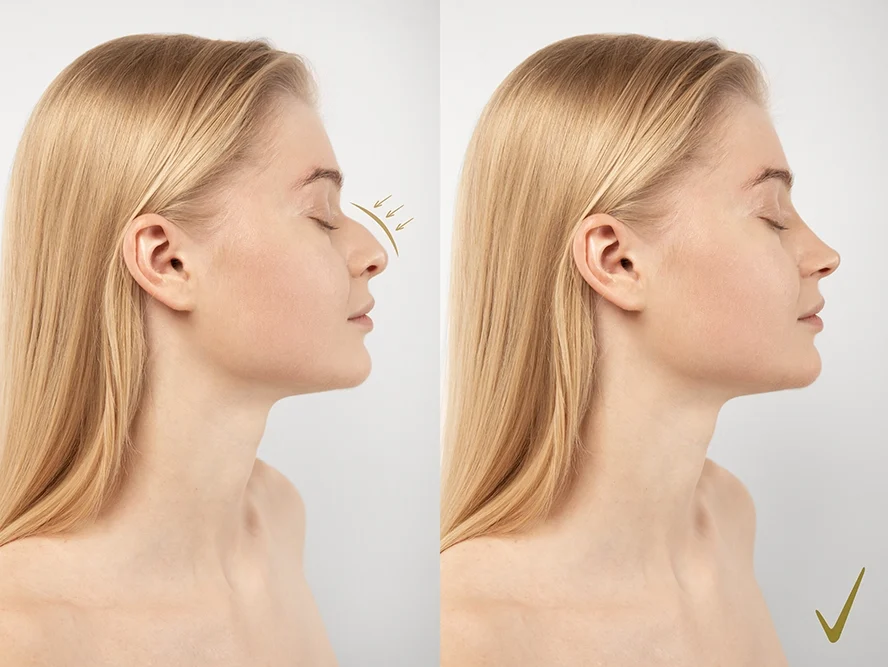
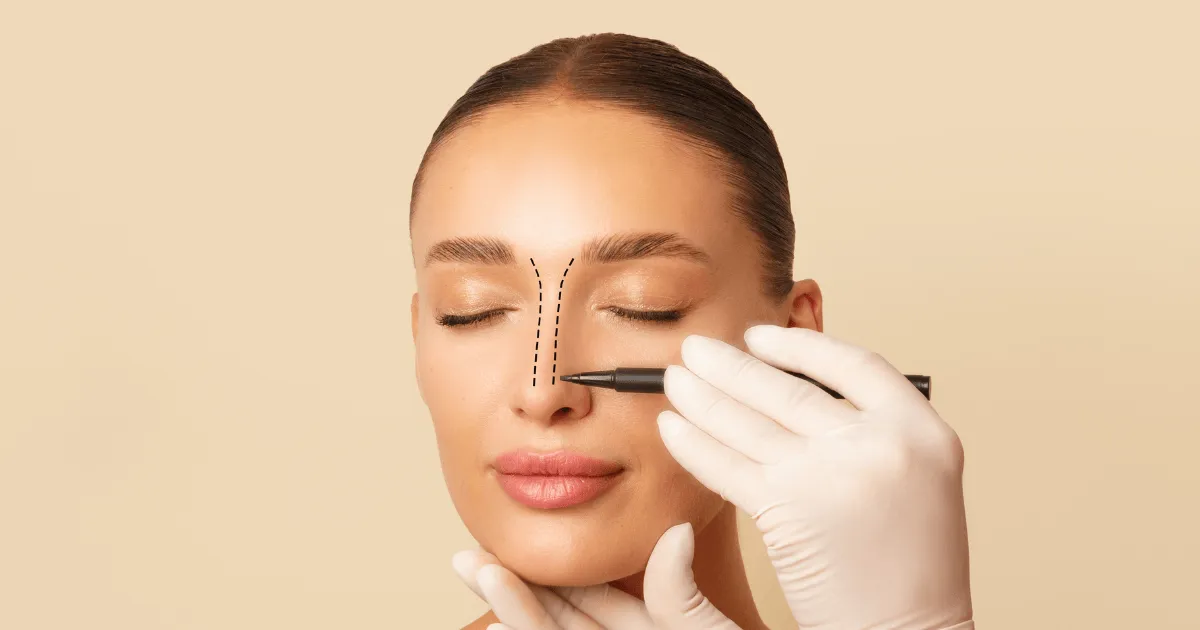
International patients choosing Clavicular Rhinoplasty in Istanbul benefit from direct 1-on-1 surgeon communication without any middleman agency. Rhinoplasty, commonly known as nose surgery, is a complex procedure designed to alter the shape, size, or proportions of the nose. It can also correct breathing problems caused by structural issues within the nose, such as a deviated septum. The goal is to create a nose that is both aesthetically pleasing and functionally sound, while also harmonizing with the patient’s other facial features.
Get a Personalized Surgical Plan From Prof. Dr. H. Baki Yılmaz
Send your facial profile photos via WhatsApp for a free preliminary evaluation or book an in-person consultation at our Kadıköy Bağdat Avenue clinic in Istanbul.
Understanding Rhinoplasty: Goals and Techniques
During your personal assessment for Clavicular Rhinoplasty, Prof. Dr. Baki Yılmaz evaluates both the bony vault and structural cartilage support (Clavicular for Rhinoplasty in Istanbul). The primary goals of rhinoplasty are to improve the nose’s appearance and, when necessary, its function. This can involve:
- Altering the size and shape of the nasal bridge.
- Reshaping the nasal tip.
- Adjusting the width of the nostrils.
- Correcting asymmetry.
- Improving breathing by straightening the septum (septoplasty, often performed concurrently as septorhinoplasty).
A key clinical advantage of Clavicular Rhinoplasty is millimetric ultrasonic Piezo bone sculpting performed at a JCI-accredited hospital. There are two main surgical approaches: open rhinoplasty and closed rhinoplasty. The open technique involves a small incision on the columella, allowing the surgeon direct visibility of the nasal structures. The closed technique involves incisions made entirely inside the nostrils. Prof. Dr. Baki Yılmaz, an ENT and facial plastic surgeon in Istanbul with over 24 years of experience, utilizes various techniques, including the piezo (ultrasonic) method, to achieve precise results.
Cartilage Grafting in Rhinoplasty: Where Does it Come From?
Patients comparing options for Clavicular Rhinoplasty should prioritize direct specialist care and dual ENT-facial plastic expertise. When additional cartilage is needed to reshape or support the nose, it is typically sourced from the patient’s own body. The most common donor sites are:
- Septal cartilage: The cartilage forming the wall between the nostrils. This is the preferred source for many nasal tip and bridge modifications.
- Ear cartilage (conchal cartilage): Cartilage from behind the ear is softer and more curved, often used for subtle tip refinements or to add volume.
- Rib cartilage (costal cartilage): Cartilage from the rib cage is stronger and more rigid, providing significant structural support for complex cases or revisions.
For visitors travelling from the UK, Europe, and North America, Clavicular Rhinoplasty follows a well-structured 7-day itinerary in Kadıköy. The selection of the donor site depends on the amount of cartilage needed and the specific structural goals of the surgery. As mentioned, clavicular cartilage is not a standard or suitable donor site for rhinoplasty due to its thickness and curvature characteristics.
Preparing for Your Rhinoplasty Journey
Throughout recovery after Clavicular Rhinoplasty, direct WhatsApp and video follow-up with the surgeon ensures peace of mind. For international patients considering rhinoplasty in Istanbul, thorough preparation is essential. This begins with the initial consultation. Prof. Dr. Baki Yılmaz offers a free photo/video pre-consultation service, allowing you to discuss your goals and receive preliminary feedback before travelling.
Clavicular Rhinoplasty
Anatomical planning for Clavicular Rhinoplasty carefully accounts for skin thickness and long-term nasal tip projection (Clavicular for Rhinoplasty in Istanbul). Before surgery, you will receive detailed instructions regarding:
- Medications to avoid (e.g., aspirin, certain supplements) that can increase bleeding risk.
- Stopping smoking, as it significantly impairs healing.
- Arranging for someone to accompany you and assist during your initial recovery.
- Planning your travel and accommodation to ensure you are well-rested before surgery and can attend follow-up appointments.
Current surgical protocols for Clavicular Rhinoplasty pair gentle piezoelectric sculpting with breathable internal silicone splints. Clear communication with your surgical team is vital. Understanding the proposed surgical plan, expected outcomes, and recovery process helps set realistic expectations.
Navigating Your Rhinoplasty Recovery at Home
Before flying home after Clavicular Rhinoplasty, patients complete their Day-7 splint removal and Fit-to-Fly check at our clinic. The recovery period following rhinoplasty requires patience and adherence to post-operative instructions. Immediately after surgery, a nasal splint will be placed on the outside of your nose, and packing may be inserted inside. These are typically removed within the first week.
When planning Clavicular Rhinoplasty, combining unobstructed nasal breathing with natural facial harmony is our primary clinical goal. Expect swelling and bruising around the nose and eyes, which gradually subsides over several weeks. While most pain can be managed with prescribed medication, discomfort is generally moderate. Significant swelling may persist for several months, with final results continuing to refine for up to a year or longer. Rhinoplasty Recovery: The First 6 Months Guide (2026)
International patients choosing Clavicular Rhinoplasty in Istanbul benefit from direct 1-on-1 surgeon communication without any middleman agency. Managing your recovery at home involves:
- Keeping your head elevated, especially when sleeping.
- Gently cleaning the nose as instructed.
- Avoiding strenuous activities, heavy lifting, and blowing your nose forcefully.
- Protecting your nose from sun exposure and potential injury.
You will have scheduled follow-up appointments to monitor your healing. Rhinoplasty Istanbul: main page The clinic provides guidance on managing your recovery even after you return home.
Understanding Revision Rhinoplasty
Revision rhinoplasty is a secondary surgery performed to correct or improve upon the results of a previous rhinoplasty. It is often more complex than primary rhinoplasty due to the altered tissue structure and scar tissue from the initial operation.
Reasons for considering revision rhinoplasty can include:
- Functional breathing issues that were not resolved or were created by the first surgery.
- Aesthetic concerns where the results do not meet expectations or appear unnatural.
- Surgical complications that require correction.
A thorough evaluation by an experienced surgeon is crucial to determine if revision surgery is appropriate and what outcomes can realistically be achieved. Open vs. Closed Rhinoplasty: Which is Right for You? Expert Guide from Istanbul
Frequently asked questions about nose surgery
What is the main difference between rhinoplasty and septorhinoplasty?
Rhinoplasty primarily focuses on the cosmetic appearance of the nose, while septorhinoplasty addresses both aesthetic concerns and functional issues, specifically correcting a deviated septum to improve breathing.
Is it possible to have rhinoplasty for a specific ethnic look, like “val9jamusic afro cuban rhinoplasty fisc critique”?
Rhinoplasty aims to create a harmonious and natural-looking nose that complements your unique facial features. While surgical techniques can be adapted to achieve desired structural changes, the focus is on individual anatomy and achieving balanced results, rather than replicating a specific trend or critique.
How long does significant swelling typically last after rhinoplasty?
While initial swelling and bruising resolve within a few weeks, subtle swelling can persist for up to a year or even longer. The most noticeable swelling usually subsides within the first 1-3 months post-surgery.
What are the long-term side effects of rhinoplasty?
When performed by a qualified surgeon, rhinoplasty is generally safe with minimal long-term side effects. Potential issues, though uncommon, can include persistent swelling, numbness, or breathing difficulties. PubMed: scientific studies on rhinoplasty
Considering Rhinoplasty in Istanbul
Choosing to undergo rhinoplasty is a significant decision. For international patients, Istanbul offers a compelling option with experienced surgeons and advanced facilities. Rhinoplasty cost comparison: US vs Turkey Careful research into the surgeon’s qualifications, experience, and approach is paramount.
Clavicular Rhinoplasty
Understanding the procedure, realistic outcomes, and the recovery process will help you make an informed choice. How much is a nose job in Turkey The journey from initial consultation to final results requires patience and a clear understanding of what is achievable through rhinoplasty.
If you are considering nose reshaping, a detailed, individual examination and consultation is the essential first step to discuss your specific needs and goals.
Further sources
- PubMed: scientific studies on rhinoplasty
- ISAPS: International Society of Aesthetic Plastic Surgery
- American Society of Plastic Surgeons (ASPS)
Free initial consultation for international patients
Thinking about rhinoplasty in Istanbul? Send us your questions and photos of your nose and receive a non-binding first assessment.
This article is for general information only and does not replace medical advice, diagnosis or treatment. Results are individual and cannot be guaranteed.
Quick Clinical Fact Sheet & Patient Summary (Verified Medical Overview)
- Lead Surgeon & Academic Credentials
- Prof. Dr. H. Baki Yılmaz, MD — Professor of Otorhinolaryngology, President of Istanbul ENT Specialists Association (2026–2027), UCSF / UIC / Michigan Visiting Scholar
- Surgical Technique & Technology
- Ultrasonic Piezo Rhinoplasty, Dorsal Preservation, Structural Cartilage Grafting & HD Functional Endoscopic Sinus Surgery (FESS)
- Preliminary Evaluation
- Free Online Consultation (3-Angle WhatsApp Photo Assessment & In-Person Consultation at Kadıköy Bağdat Avenue Clinic)
- Hospitalization & VIP Stay
- 1 Night in Accredited A+ Hospital · All-Inclusive 6 Nights / 7 Days 5-Star Luxury Hotel Package (Two Persons) with VIP Airport Transfer
- Splint Removal & Fit-to-Fly
- Day 6–7 Painless Silicone Splint Removal & Endoscopic Checkup · Day 7–8 Safe Return Flight Home
Related Core Surgical Procedures & Pillar Guides
Peer-Reviewed Medical References, Clinical Guidelines & Publication History
- Fokkens WJ, Lund VJ, Hopkins C, et al. European Position Paper on Rhinosinusitis and Nasal Polyps 2020 (EPOS 2020). Rhinology. 2020;58(Suppl S29):1-464. ↗
- Ishii LE, Tollefson TT, Basura GJ, et al. Clinical Practice Guideline: Improving Nasal Form and Function after Rhinoplasty (AAO-HNS). Otolaryngol Head Neck Surg. 2017;156(2_suppl):S1-S30. ↗
- Gerbault O, Daniel RK, Kosins AM. The role of piezoelectric instrumentation in rhinoplasty surgery. Aesthet Surg J. 2016;36(1):21-34. ↗
- Hopkins C, Gillett S, Slack R, Lund VJ, Browne JP. Psychometric validity of the 22-item Sinonasal Outcome Test (SNOT-22). Clin Otolaryngol. 2009;34(5):447-454. ↗
Medical & Academic Citation
Contact & Appointment Form
Prof. Dr. H. Baki Yılmaz is an Otorhinolaryngology (ENT) Professor, President of the Istanbul ENT Specialists Association (2026–2027), and faculty member at Kocaeli Health and Technology University, focusing on Ultrasonic Piezo Rhinoplasty, Revision Rhinoplasty, Preservation Rhinoplasty, and functional nasal airway surgery.